Guides
Searchable, practical guides written and updated by people who live here.
Start here
35 guides
Living in Nikšić: Montenegro's second city
Nikšić is Montenegro's second-largest city, set on a high plain inland, north-west of Podgorica. It is local and down to earth, with lower living costs than the coast, a university faculty, and lakes and mountains nearby. Winters are colder than on the coast and summers milder than in Podgorica. Few expats live here, so some Montenegrin helps.
1 min readUpdated 21 Nov 2026
Living in Žabljak: mountains, lakes and real winters
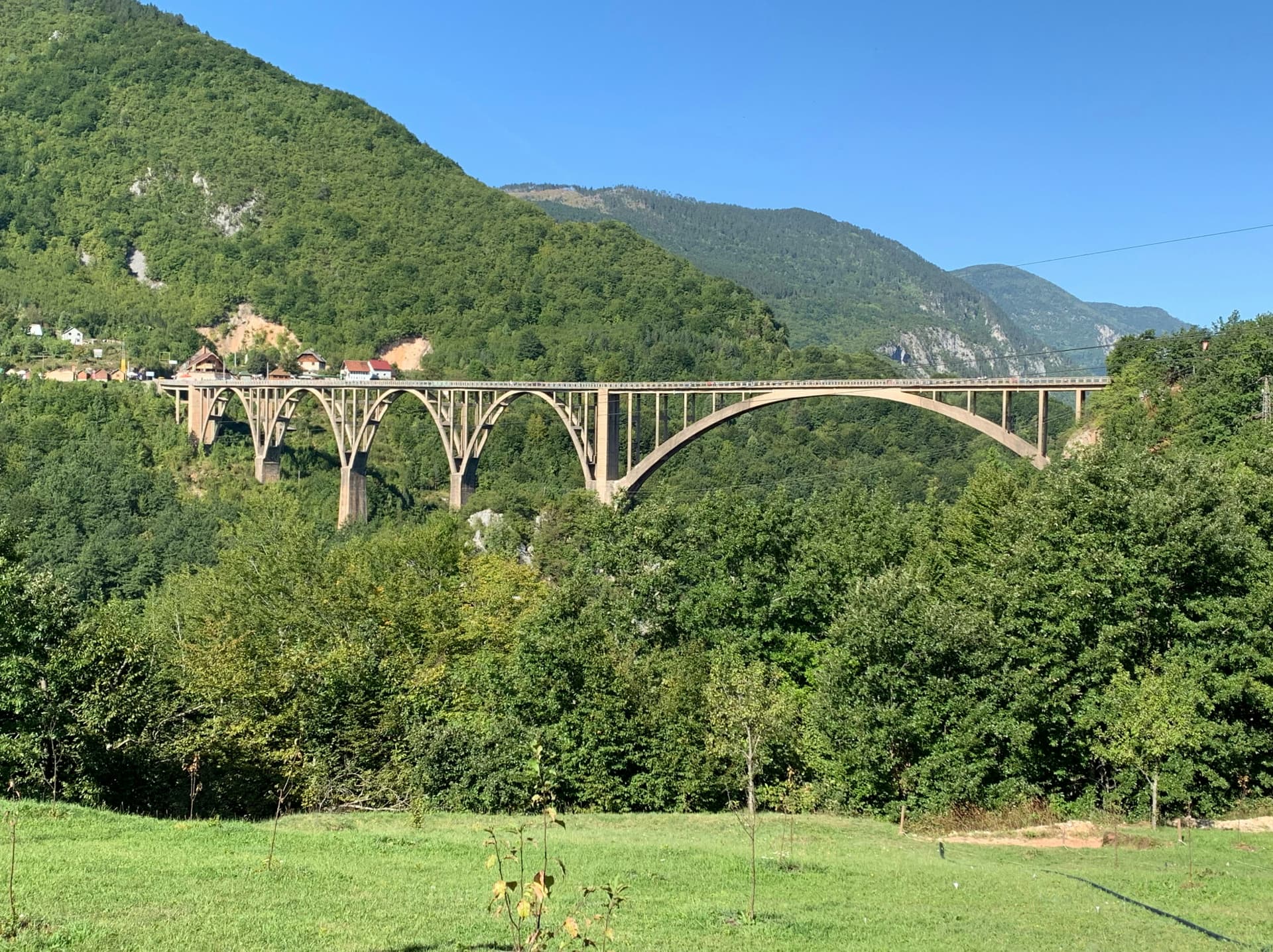
Žabljak is a small mountain town in the north, at the heart of Durmitor National Park, a UNESCO World Heritage Site. It is one of the highest towns in the Balkans, surrounded by glacial lakes such as the Black Lake, and close to the Tara river canyon. Summers are cool and green, winters long and snowy with skiing. It suits people who love nature and quiet more than city services.
1 min readUpdated 21 Nov 2026
How to register your address on arrival
Foreigners in Montenegro must register their place of stay with the police shortly after arriving. Hotels and licensed rentals usually do this for you; in private accommodation the host or you must handle it. Keep the confirmation (the "white card"): you will need it later, for example for a residence application.
1 min readUpdated 21 Nov 2026
Healthcare in Montenegro for expats
Montenegro has a public healthcare system run through local health centres (dom zdravlja) and hospitals, plus a growing number of private clinics. Residents who pay into the state Health Insurance Fund can use public care; many expats also use private clinics and private insurance. Health insurance is usually required when you apply for residence.
1 min readUpdated 21 Nov 2026
Banking in Montenegro: accounts and paying in euro
Montenegro uses the euro, although it is not a member of the EU or the eurozone. Several commercial banks operate under supervision of the Central Bank of Montenegro. Foreigners can usually open an account with a passport, but banks set their own requirements, often asking for a residence permit or local address. Cards are widely accepted in towns; cash is still common.
1 min readUpdated 21 Nov 2026
Driving and importing a car in Montenegro
You can drive in Montenegro with a foreign licence during a short stay, often together with an international driving permit. Once you become a resident, there is a time limit after which you are expected to exchange it for a Montenegrin licence. Cars on foreign plates have limited stay periods, and permanently importing a car involves customs, VAT and registration.
1 min readUpdated 21 Nov 2026
Schools in Montenegro: local, international and online
Children living in Montenegro can attend free public schools, where teaching is in Montenegrin (Albanian in some areas). Private and international schools, mostly in Podgorica and on the coast, teach in English and follow foreign curricula. Some families combine local school with online schooling from home.
1 min readUpdated 21 Nov 2026
Internet and SIM cards in Montenegro
Montenegro has three mobile operators: One, m:tel and Crnogorski Telekom. Prepaid SIM cards are cheap and quick to buy with a passport, and 4G coverage is good in towns and along the coast, with 5G expanding. Fibre and cable home internet is available in most towns; mountain areas can have weaker coverage. Montenegro is outside the EU roaming zone.
1 min readUpdated 21 Nov 2026
Utilities in Montenegro: electricity, water and waste
Electricity in Montenegro is supplied by EPCG and distributed by CEDIS. Water, sewage and waste collection are run by municipal public companies in each town. When you rent, bills often stay in the owner's name and you pay them or reimburse the owner; when you buy, you transfer the accounts to your name.
1 min readUpdated 21 Nov 2026
Cost of living in Montenegro: what drives your budget
Living costs in Montenegro depend mostly on where you live and when. Rent is the biggest item and is highest on the coast, especially in Budva, Kotor and Tivat, and in the summer season. Podgorica and inland towns are usually cheaper. Local food at markets is affordable; imported goods cost more. We do not publish fixed monthly totals because prices change quickly.
1 min readUpdated 21 Nov 2026
Safety in Montenegro: everyday tips and emergency numbers
Montenegro is generally considered safe for residents and visitors. The most common risks are traffic on mountain roads, petty theft in crowded tourist spots in summer, and nature: heat, sea currents, wildfires and mountain weather. Save the emergency numbers: 112 general, 122 police, 123 fire, 124 ambulance.
1 min readUpdated 21 Nov 2026
Climate and seasons in Montenegro
Montenegro packs several climates into a small country. The coast has a Mediterranean climate with hot, dry summers and mild, rainy winters. Podgorica and the central plain get very hot summers. The northern mountains, around Žabljak and Kolašin, have cold, snowy winters and cool summers. Where you live changes your daily life and your bills.
1 min readUpdated 21 Nov 2026
Moving to Montenegro with pets
Dogs and cats can come to Montenegro with you if they meet the entry rules for pets: a microchip, a valid rabies vaccination and a pet passport or health certificate. Depending on the country you travel from, a rabies antibody test may also be required. Rules are set by the veterinary administration, so check them before you travel.
1 min readUpdated 21 Nov 2026
Language in Montenegro: learning Montenegrin and getting by in English
The official language of Montenegro is Montenegrin. Serbian, Bosnian, Albanian and Croatian are also in official use, and all except Albanian are mutually understandable. Both Latin and Cyrillic scripts are used. English is widely spoken on the coast and by younger people, but learning the basics helps a lot with offices, neighbours and daily life.
1 min readUpdated 21 Nov 2026
Buying property in Montenegro: process, checks and costs
Foreigners can generally buy apartments, houses and building land in Montenegro in their own name, with restrictions on agricultural land, forests and some protected areas. The contract is signed before a notary and the sale is entered in the cadastre (real estate register). Before paying anything, check the title, encumbrances and building permits. The buyer pays real estate transfer tax.
1 min readUpdated 21 Nov 2026
Renting in Montenegro: long-term leases, contracts and deposits
Most expats rent first before they buy. Long-term rentals are easiest to find in autumn and winter; on the coast many owners prefer short summer lets. Always get a written lease, ideally certified, because you often need it for residence registration. A deposit of one month's rent is common, and who pays utilities should be in the contract.
1 min readUpdated 21 Nov 2026
Company formation in Montenegro: setting up a business
Foreigners can own 100% of a company in Montenegro. The most common form is the limited liability company (d.o.o.), which can be registered with a very low minimum capital. You can also register as an entrepreneur (preduzetnik). Registration goes through the Central Register of Business Entities; afterwards you register for tax, open a bank account and, if you will live here, apply for residence on that basis.
1 min readUpdated 21 Nov 2026
Taxes in Montenegro: an overview for expats
Montenegro has comparatively low taxes. Personal income tax and corporate profit tax use progressive rates that are low by European standards, VAT has a standard and reduced rates, and property owners pay an annual property tax set by the municipality. Whether you are taxed in Montenegro depends on your tax residence and double tax treaties. All rates below must be checked against the Tax Administration before you rely on them.
1 min readUpdated 21 Nov 2026
Retiring in Montenegro: residence, pensions and healthcare
Montenegro attracts retirees with its climate, the euro and a slower pace of life. There is no dedicated retirement visa; retirees usually live here on temporary residence, most often as property owners or on another accepted basis, and must show health insurance and sufficient means. Before you move, check how your pension is paid and taxed abroad and how healthcare will work.
1 min readUpdated 21 Nov 2026
Living in Podgorica: Montenegro's capital
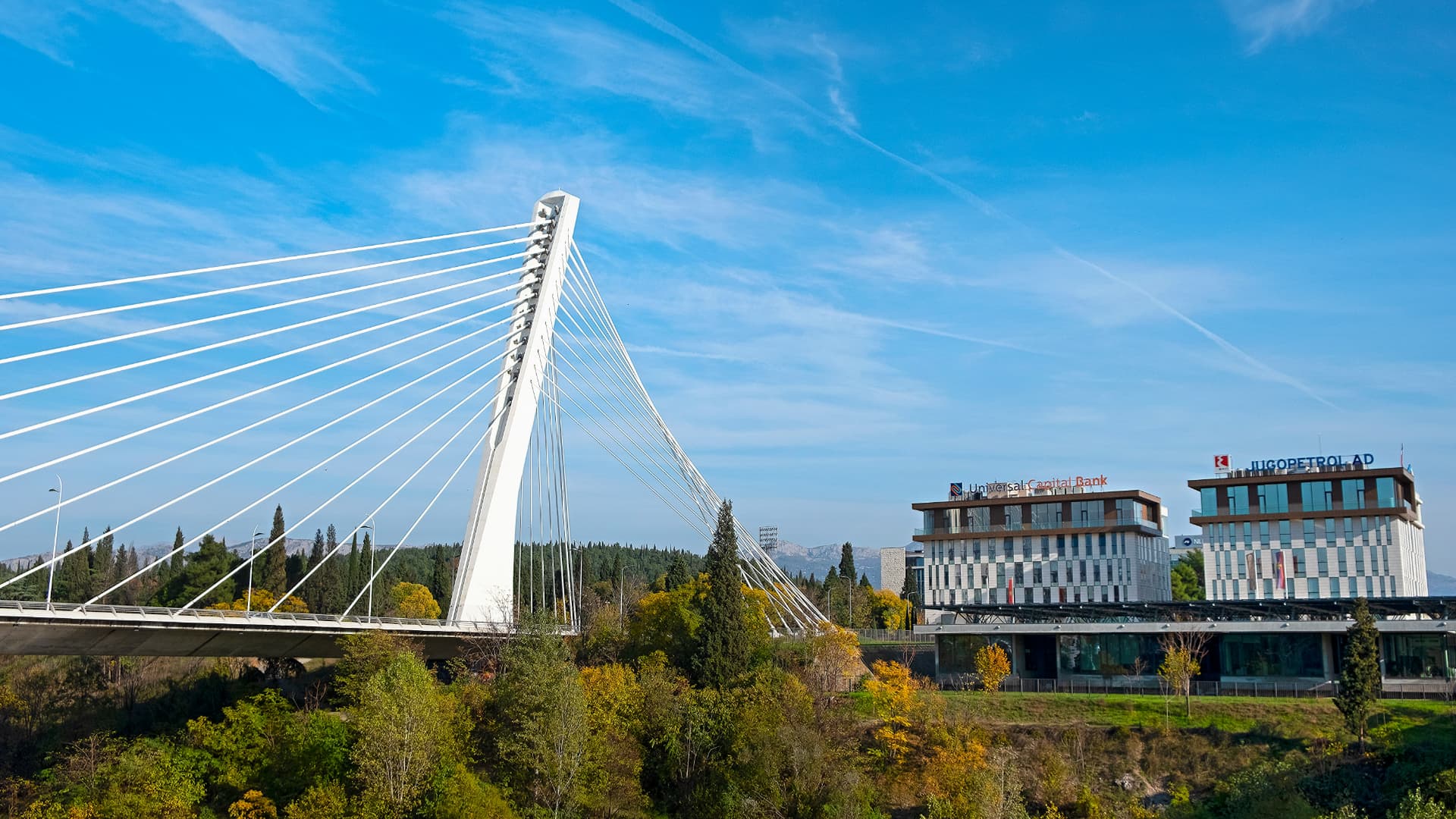
Podgorica is Montenegro's capital and largest city, home to the government, most embassies, the main hospital and the university. It is practical rather than pretty: rents are usually lower than on the coast, services are concentrated here, and the coast and mountains are about an hour away. Summers are very hot.
1 min readUpdated 21 Nov 2026
Living in Budva: beaches and a busy season
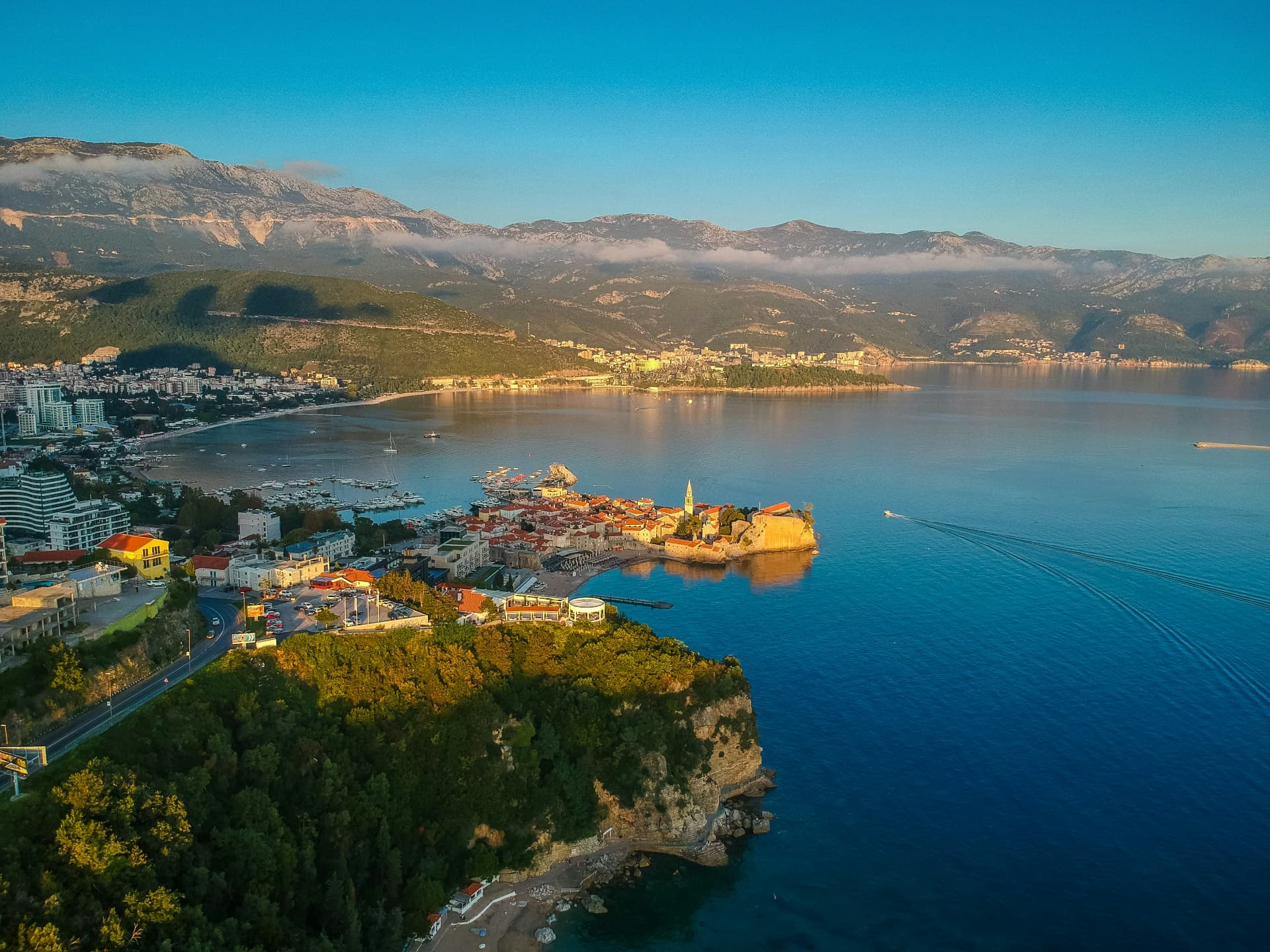
Budva is Montenegro's best-known resort town, with a walled old town, many beaches and the busiest summer season in the country. It has a large international community and lots of services in English. Summers are crowded and loud; winters are much quieter. Rents are among the highest in Montenegro.
1 min readUpdated 21 Nov 2026
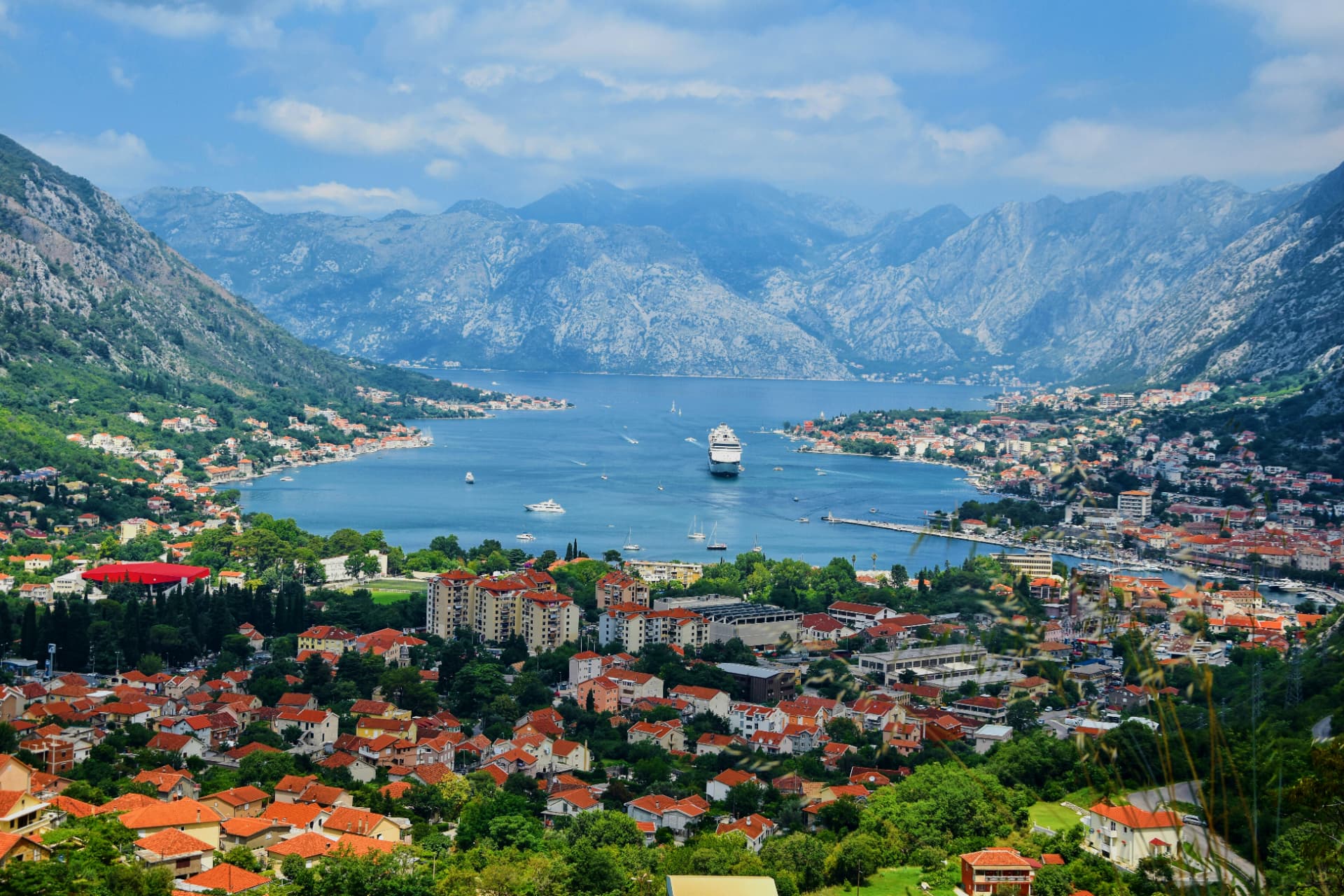
Living in Kotor: old town on the bay
Kotor is a walled medieval town at the inner end of the Bay of Kotor, framed by steep mountains. The town and the surrounding bay are a UNESCO World Heritage Site. It is beautiful and atmospheric, but busy with cruise ships and visitors in season, and rainy in winter. Many expats live in the villages around the bay rather than in the old town itself.
1 min readUpdated 21 Nov 2026
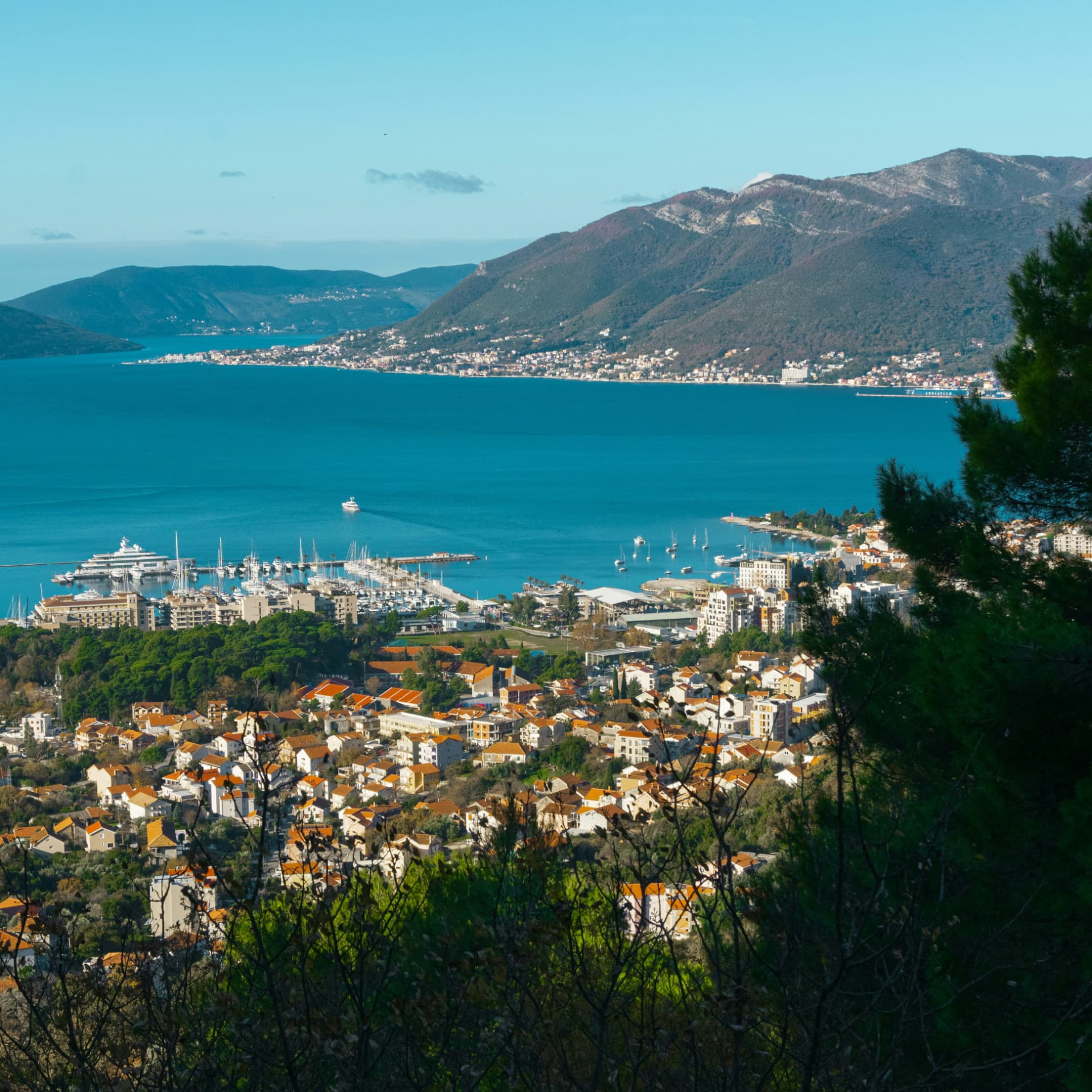
Living in Tivat: marina life and a calmer pace
Tivat is a small town on the Bay of Kotor with Tivat Airport on its edge and the Porto Montenegro marina at its centre. It has a flat seafront promenade, a large international community and one of the calmer, more polished atmospheres on the coast. Rents and property prices near the marina are high.
1 min readUpdated 21 Nov 2026
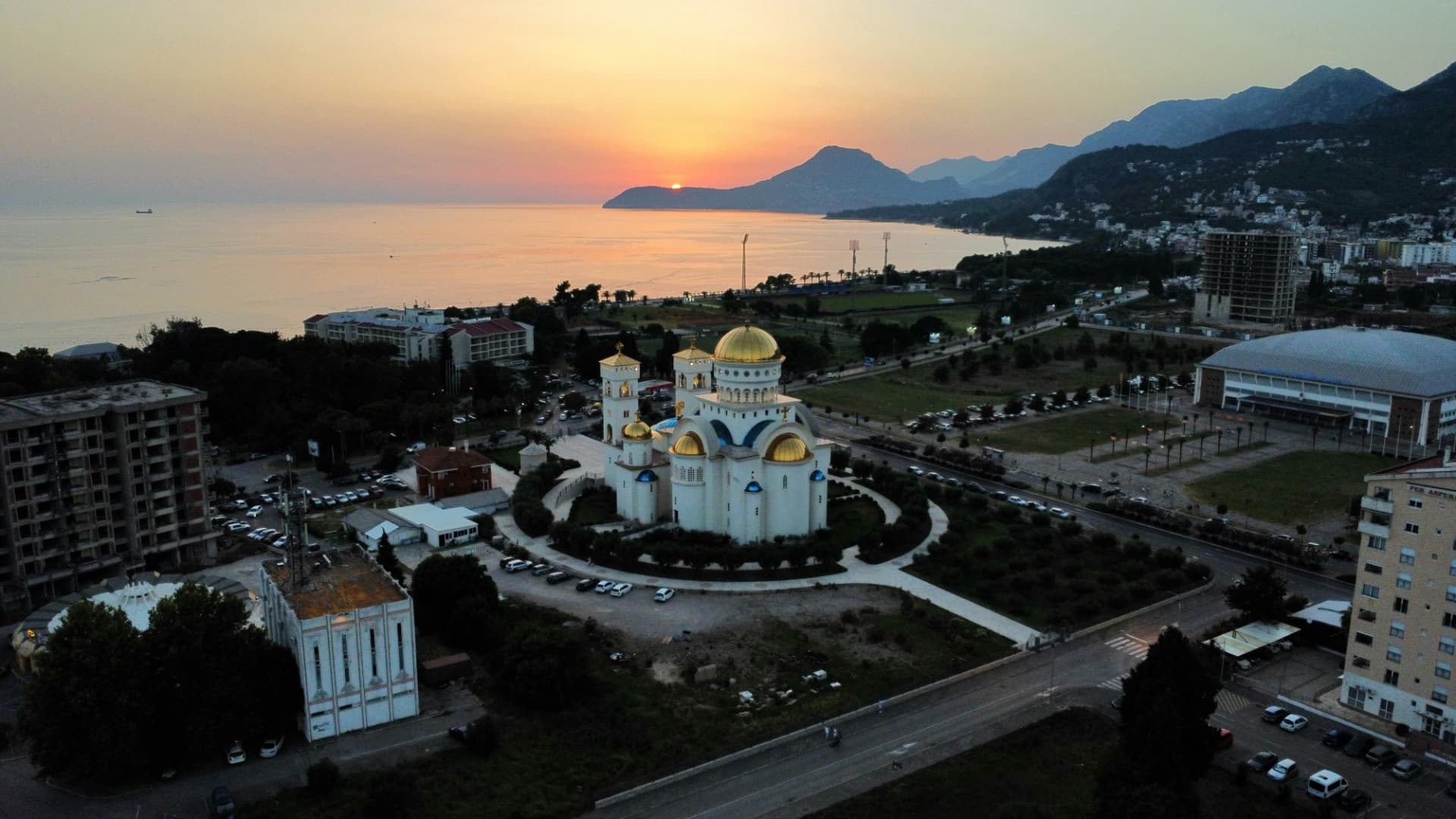
Living in Bar: port town with olive groves
Bar is Montenegro's main port town in the south, with ferries to Italy, a long seafront and the ruins of Old Bar in the hills. It feels more like a real town than a resort, rents are usually lower than in Budva or Kotor, and life continues through the winter. The Sozina tunnel links it quickly to Podgorica.
1 min readUpdated 21 Nov 2026
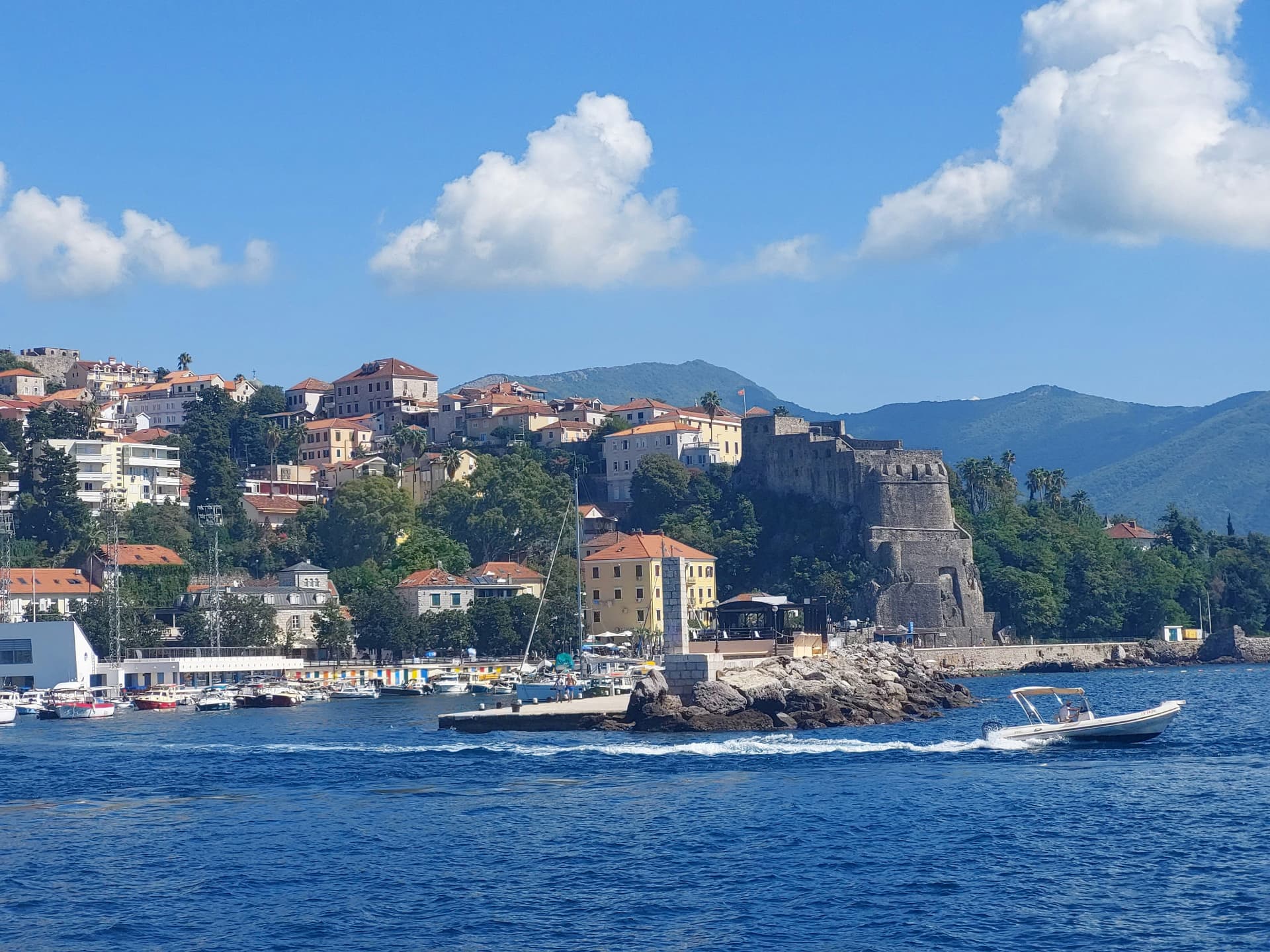
Living in Herceg Novi: green, stepped and sunny
Herceg Novi sits at the entrance of the Bay of Kotor, close to the Croatian border. It is known for its greenery, flowers, stairs everywhere and a long seafront promenade. It has a relaxed, residential feel, is popular with retirees and families, and is close to Dubrovnik airport across the border.
1 min readUpdated 21 Nov 2026
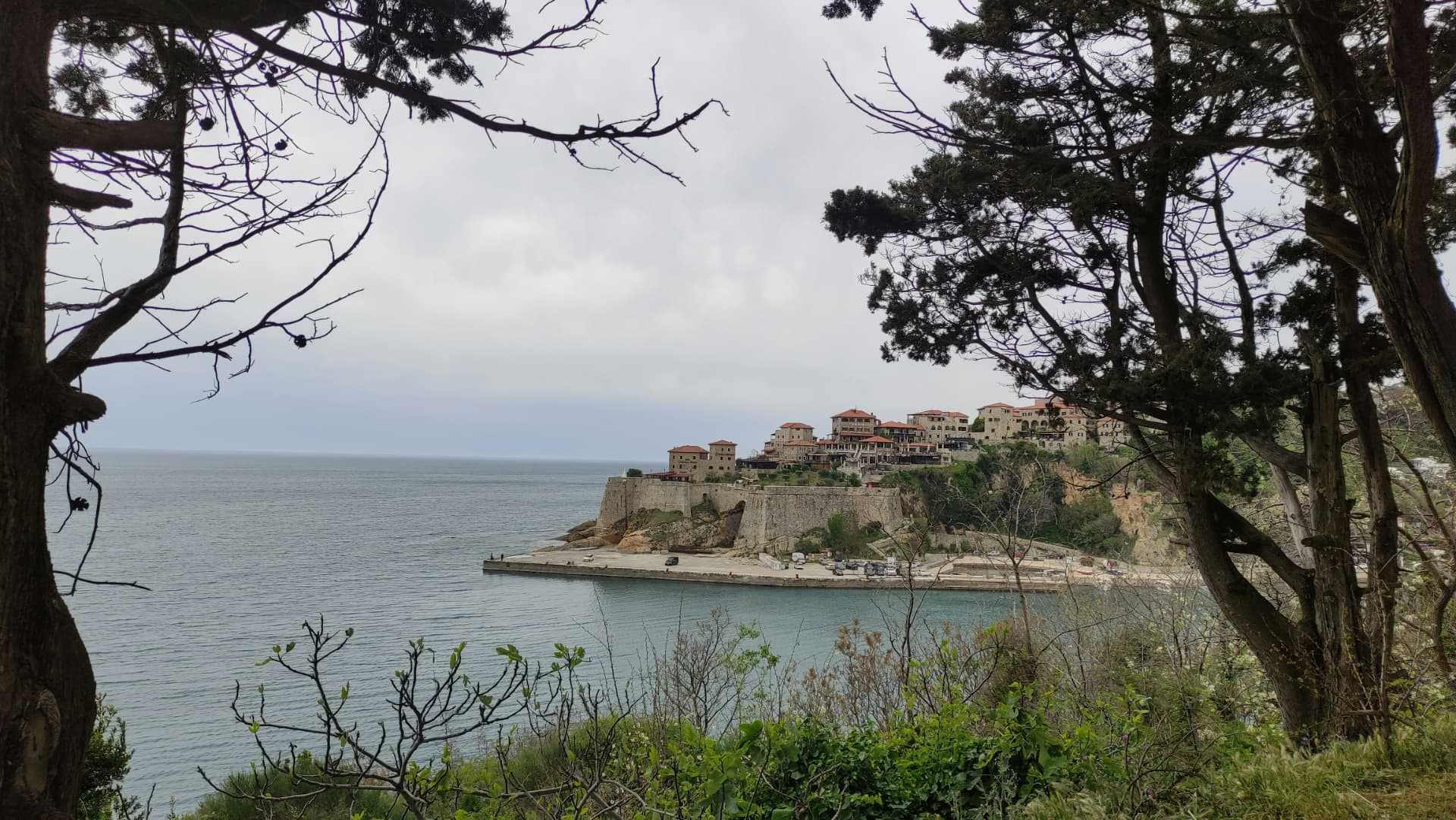
Living in Ulcinj: long beaches and a multicultural south
Ulcinj is Montenegro's southernmost town, near the Albanian border. It is known for Velika plaža, the longest sandy beach on the Montenegrin coast, its old town on a cliff, and a majority Albanian community. Prices are generally lower than in the central coast, and the area is popular for kitesurfing and nature around Ada Bojana and Šasko lake.
1 min readUpdated 21 Nov 2026
Arrival checklist: your first weeks in Montenegro
Your first weeks in Montenegro go smoother if you handle a few things early: register your address with the police, get a local SIM card, arrange health insurance, start collecting documents for your residence permit and open a bank account. This checklist puts them in a sensible order.
1 min readUpdated 17 Nov 2026
Permanent residence in Montenegro
After several years of continuous legal temporary residence, you can apply for permanent residence in Montenegro. It removes the yearly renewal and gives you broader rights to live and work. The required number of years, allowed time abroad and documents must be confirmed with official sources before you apply.
1 min readUpdated 17 Nov 2026
Digital nomad permit in Montenegro
Montenegro offers a residence permit for digital nomads who work remotely for employers or clients outside the country. It lets you live here legally while keeping your foreign income, and you may not work for local companies on it. Minimum income, duration and tax treatment must be checked with official sources, because the scheme is relatively new.
1 min readUpdated 17 Nov 2026
Temporary residence for work in Montenegro
If you want to work in Montenegro as an employee or run your own business, you usually need a temporary residence and work permit. Your employer or your own company is central to the application, and the permit is tied to that purpose. Requirements and fees change, so confirm them with the Ministry of Interior before you apply.
2 min readUpdated 17 Nov 2026
Temporary residence for study in Montenegro
Students enrolled at a Montenegrin university or school can apply for temporary residence for study. The permit is linked to your enrolment and usually runs for one academic year at a time. You need proof of enrolment, accommodation, health insurance and enough money to support yourself; check exact rules with official sources.
1 min readUpdated 17 Nov 2026
Temporary residence for family reunification
If your spouse, partner or parent already lives legally in Montenegro, you may be able to join them through temporary residence for family reunification. The family member here acts as your sponsor and must show housing and income. Marriage and birth certificates usually need an apostille and a certified translation.
1 min readUpdated 17 Nov 2026
Temporary residence as a property owner
Owning a home in Montenegro is one of the most common reasons expats get temporary residence. The property must be registered in your name in the land registry, and the permit is usually renewed every year. Rules have changed in the past, so check the current requirements with official sources or a lawyer before you buy with residency in mind.
1 min readUpdated 17 Nov 2026
Montenegrin citizenship: an overview
Montenegrin citizenship is usually possible after a long period of legal residence, through descent or marriage, or in exceptional cases by decision of the government. Naturalisation generally expects many years of residence and may require giving up your current citizenship. Treat any shortcut offers with caution and confirm current law with official sources.
1 min readUpdated 17 Nov 2026
Temporary residence in Montenegro, explained
Temporary residence is the permit most expats use to live in Montenegro beyond a short visit. It is granted for a specific purpose, such as work, study, family reunification or owning property, and is usually issued for up to one year at a time and can be renewed. You apply through the Ministry of Interior or the police, and the exact documents and fees must be checked with official sources.
3 min readUpdated 17 Nov 2026